The contractor you pick decides whether your commercial project finishes on time, within budget and strong enough to last decades. A good contractor protects your investment, and a poor one can turn a promising business plan into years of repairs, disputes and lost income.
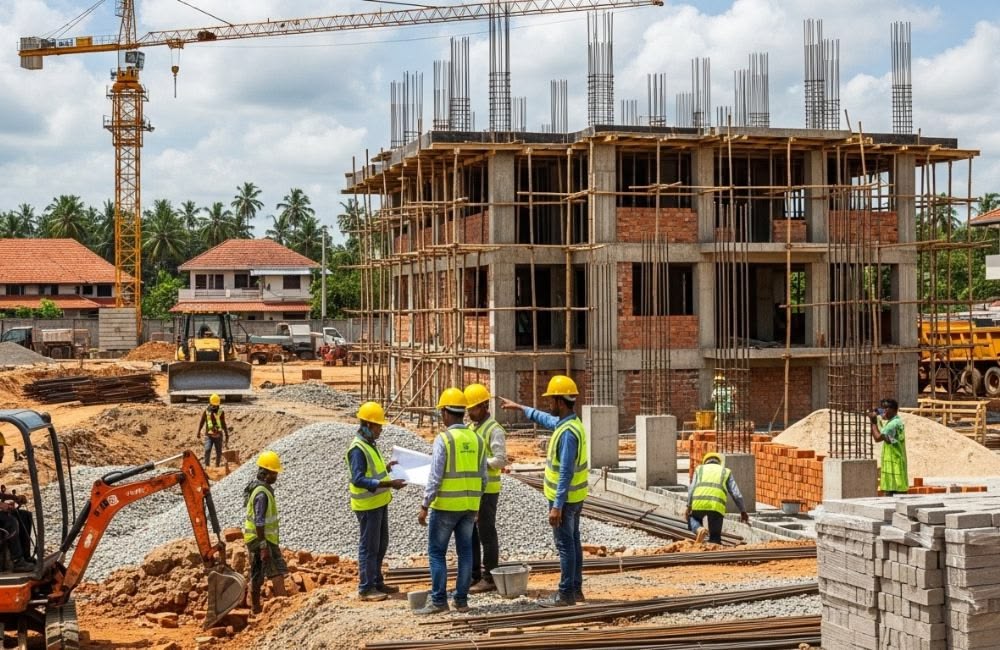
MTBOSS Construction Private Limited works as a commercial building contractor in Bareilly and Moradabad. We take responsibility for the full execution of your building: planning, structure, services, finishing and handover. Our work covers offices, showrooms, shopping complexes, hotels, hospitals, schools, warehouses and industrial buildings.
This page explains what a commercial contractor actually does, how contracts work, how we manage a site and what you should check before you hire anyone. Even if you do not choose us, you will make a better decision.
What a Commercial Building Contractor Does
Many owners think a contractor only supplies labour and materials. In a commercial project, the role is much wider.
- Pre-construction planning: Studying drawings, preparing cost estimates, scheduling work and identifying risks.
- Procurement: Buying or arranging cement, steel, bricks, electrical items, plumbing material and finishing products at the right time and quality.
- Workforce management: Organising skilled masons, bar benders, carpenters, electricians, plumbers and painters.
- Site supervision: Making sure work follows drawings and specifications.
- Coordination: Aligning architects, structural engineers, MEP (mechanical, electrical, plumbing) teams and suppliers.
- Safety and compliance: Following site safety practices and helping with approvals.
- Quality assurance: Testing, inspecting and correcting work before it is covered.
- Handover: Completing snag lists, cleaning the site and providing documents.
MTBOSS performs all of these functions, so you are not left coordinating a dozen people yourself.
Types of Commercial Buildings We Construct
- Offices and business centres: Efficient floor plans, reception areas, meeting rooms, parking and expansion capacity.
- Showrooms and retail outlets: Strong facades, glass frontage, display lighting and flexible interior space.
- Shopping complexes: Multi-shop buildings with common circulation, lifts, staircases, parking and utilities.
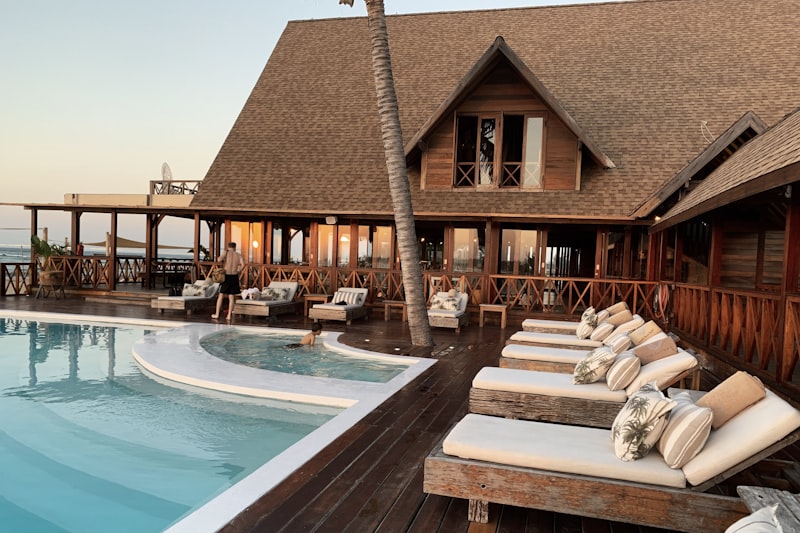
- Hotels and banquet halls: Guest rooms, kitchens, dining areas, event spaces and quality interiors.
- Hospitals and clinics: Hygienic finishes, ramps, power backup, plumbing and ventilation suited to healthcare use.
- Schools and institutes: Safe staircases, classrooms with natural light, open areas and durable finishes.
- Warehouses and godowns: Wide spans, strong flooring, loading bays and drainage.
- Industrial sheds and factories: Structures planned around machinery, vehicle movement and production flow.
- Restaurants and cafés: Kitchen planning, exhaust, interiors and ambience.
Understanding Contract Types Before You Sign
Choosing the right contract model protects you from disputes. Here are the common models and where each suits best.
- Item-Rate Contract: The contractor quotes a rate for each item of work, such as concrete per cubic metre or plaster per square foot, and payment is based on the quantity actually executed. This model is flexible when drawings may change, but it needs careful measurement.
- Lump-Sum Contract: A fixed total price is agreed for a clearly defined scope. It gives cost certainty, but it works well only when drawings and specifications are final. Changes are charged separately.
- Labour Contract: You supply the materials and the contractor provides labour and supervision. This suits owners who have the time and experience to manage procurement, though quality and cost control then depend on you.
- Turnkey (Design and Build) Contract: One company manages design, construction, finishing and handover. You get a single point of responsibility, faster coordination and fewer disputes between design and site teams. Many first-time commercial owners prefer this model, and MTBOSS offers it.
Whichever model you select, insist on a written agreement that lists scope, specifications, payment schedule, timeline, variation procedure and defect responsibility.
How MTBOSS Manages a Commercial Site
Good contractors are recognised by their systems, not just their promises. This is how we run a project.
- Detailed work schedule: Before work starts, we break the project into stages such as excavation, foundation, structure, masonry, services and finishing. Each stage has a start date, an end date and responsible supervisors.
- Material control: We specify brands and grades in advance, check deliveries at the gate and store material properly so that quality is not lost on site.
- Daily supervision: Site engineers and supervisors track attendance, work quantity, safety and quality daily and report issues immediately.
- Stage-wise inspection: Before concrete is poured, steel placement and shuttering are checked. Before plaster, wiring and plumbing are tested. Before finishing, waterproofing is verified. Work that will be hidden is inspected most carefully.
- Progress reporting: You receive regular updates with photographs and a clear picture of what is complete, what is pending and what could cause delay.
- Change management: If you request a change, we explain its cost and time impact in writing before executing it.
- Cleanliness and discipline: A tidy, organised site reduces accidents, wastage and rework.
Quality and Safety Standards on Our Sites
- Structural Quality:Concrete grade, steel quantity, cover, curing and formwork decide the life of a building. We follow the structural engineer’s drawings strictly and do not allow shortcuts on columns, beams, slabs or foundations.
- Material Quality: We use reputed cement and TMT steel, well-burnt bricks or quality blocks, graded sand and aggregate, branded electrical wires and good-quality pipes and fittings. Quality materials cost slightly more at the start but save far more in maintenance.
- Waterproofing: Leakage is one of the most common complaints in commercial buildings. We treat roofs, toilets, basements, water tanks and external joints properly so that moisture does not damage interiors, stock or electronics.
- Fire and Electrical Safety: Exit routes, staircases, fire-fighting provisions, load planning, earthing and cable selection are planned according to building use. Businesses carry people and expensive equipment, so safety planning cannot be an afterthought.
- Worker Safety: We insist on safe scaffolding, protective gear, proper supervision and orderly material handling, because a safe site is also a productive site.
Local Conditions That Shape Building Work in Bareilly
A contractor who knows the city avoids mistakes that outsiders repeat.
- Monsoon: Bareilly experiences heavy rain, so site drainage, curing schedules, roof slopes and waterproofing need careful planning.
- Heat and fog: Hot summers and foggy winters affect concrete curing, labour output and finishing schedules. We plan the work calendar accordingly.
- Soil: Soil quality varies between localities, and heavier commercial loads need a foundation designed after proper assessment.
- Access and logistics: Narrow roads and traffic can delay material delivery. Planning supply timings avoids idle labour and wasted days.
- Approvals: Map sanction and other clearances depend on building type, height and area. We guide you on documents and process so the building stays legal and insurable.
- Business corridors: Commercial activity is concentrated along main roads and highway belts, including areas such as Civil Lines, Pilibhit Bypass Road, Izzatnagar and Rampur Garden. We support projects across these and nearby areas, and in Moradabad.
How Much Does a Commercial Contractor Charge?
Contractors do not charge a single standard rate, and anyone quoting a final price without seeing your drawings should be treated with caution. The cost depends on:
- Total built-up area and number of floors
- Structural complexity and basement requirements
- Specification of materials and finishes
- Building services such as lifts, HVAC, fire fighting and power backup
- Facade design
- Site conditions and access
- Project timeline and working conditions
- Market rates of steel, cement and labour
The best way to compare contractors is to ask for a detailed item-wise estimate and compare scope and specifications, not only the bottom-line number. A low quote usually hides excluded items, weak materials or future variation claims.
You can use the Construction Budget Calculator on the MTBOSS website to get a starting estimate, and our team will prepare an accurate quotation after reviewing your plan and visiting your site.
Questions to Ask Any Contractor Before You Hire
Use this checklist whether you are speaking to MTBOSS or someone else:
- Have you built projects of a similar type and size?
- Can I visit running and completed sites?
- Who will be the engineer in charge, and how often will they be on site?
- Which brands and grades of materials do you propose?
- How are payments linked to progress?
- What happens if the project is delayed?
- How are changes in scope priced?
- What is covered after handover, and for how long?
- Which approvals will you help with?
- How will you report progress?
A reliable contractor answers these clearly and in writing. Hesitation or vague replies are warning signs.
Common Mistakes Owners Make with Contractors
- Choosing only on price: The lowest quote often becomes the most expensive project after variations and rework.
- Starting without final drawings: Changing the design during construction causes delays and cost overruns.
- Ignoring services planning: Electrical, plumbing and HVAC routes should be planned before the structure is cast, not after.
- Weak agreements: Verbal promises are hard to enforce. Everything important belongs in the contract.
- Skipping inspection: Visit the site regularly or appoint someone who will.
- Paying ahead of progress: Link payments to completed and verified work.
- Overlooking maintenance: Cheap finishes on busy commercial floors wear out quickly and cost more in the long run.
Why Do Business Owners Choose MTBOSS as Their Commercial Building Contractor?
Owners choose us because we combine engineering discipline with open communication. You get a team of architects, engineers and supervisors who explain decisions in plain language, share progress honestly and flag problems early. Our turnkey approach reduces coordination work for you, and our service range, from construction and waterproofing to interiors, elevation and maintenance, means your building keeps receiving support after handover.
We also treat your deadline as a business requirement. Every day of delay is a day your shop, office or hotel is not earning, and our scheduling and supervision are designed with that in mind.
Is It Better to Hire One Contractor for Everything?
For most commercial owners, yes. A single contractor managing structure, services and finishing reduces blame-shifting, aligns the schedule and keeps one person accountable. Splitting work among many small contractors can lower individual rates, but it needs a strong in-house project manager to coordinate. If you do not have that capacity, a turnkey contractor like MTBOSS is usually the safer and faster route. If you prefer a split approach, we can also take specific packages such as structure, waterproofing, facade or interiors.
Request a Quote from MTBOSS
If you want a dependable commercial building contractor in Bareilly, send us your plot details, drawings if available and your requirements. Our team will review them, visit the site and give you a clear estimate and schedule.
Frequently Asked Questions
- Q1. What is the role of a commercial building contractor?
The contractor executes the project: arranging labour, materials and supervision, following drawings, ensuring quality and safety, and handing over the completed building. - Q2. Do you offer turnkey commercial construction?
Yes. We manage design, construction, services, finishing and handover as one package. - Q3. How long will my project take?
It depends on size and complexity. We provide a milestone-based schedule once drawings and scope are reviewed. - Q4. Can you handle only part of the work?
Yes. We can take structural work, waterproofing, facade, renovation or interior packages if you prefer. - Q5. Do you help with approvals and documentation?
We guide you on required approvals and keep the work aligned with applicable rules. - Q6. Do you build outside Bareilly?
We serve Bareilly and Moradabad and can discuss projects in nearby areas. - Q7. How do I get a cost estimate?
Use our online calculator for a starting figure, then request a detailed quotation after a site visit.